
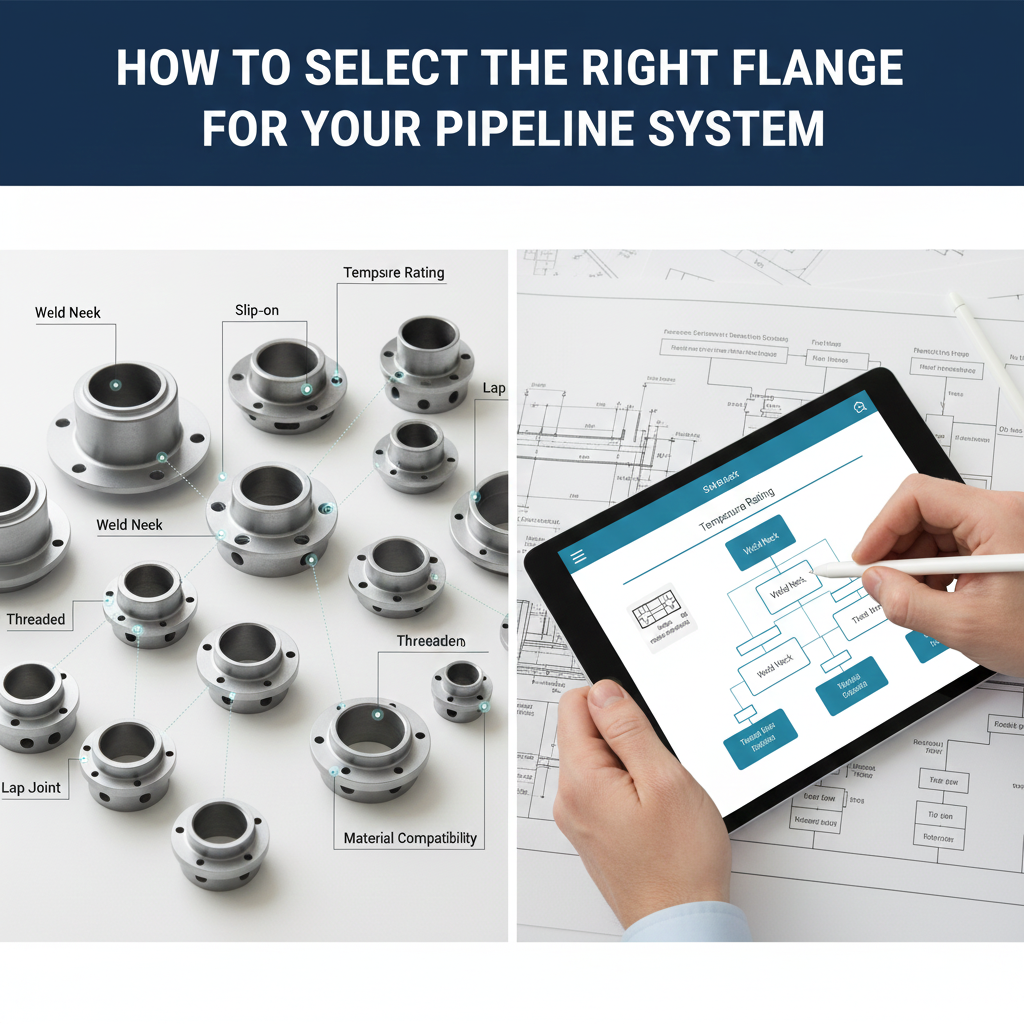
The project deadline was tight when a construction contractor shared a common fear. A wrong flange had failed during testing. The entire pipeline stalled. The story is familiar in industrial sites where every component must perform without error. A Right flange seems simple. Yet it determines connection strength, leak safety, and overall system performance.
This guide helps B2B buyers choose the correct flange with clarity. It includes applications, comparisons, pricing patterns, and major factors that change cost in the Indian market.
Understanding What a Flange Really Does
A flange connects pipes, valves, or pumps with a sealed joint. Its purpose is simple. But the demands differ across construction, fabrication, plumbing, infrastructure, and heavy industries. Our previous blog on ss pipe explains how system quality depends on each component working together. A flange plays that same role with equal importance.
Major Applications of a Flange in Industrial Systems
Flanges are used across multiple operations where strong joints are required.
1. Oil, Gas, and Chemical Plants
High pressure and temperature demand secure joints.
2. Water Supply and Wastewater Systems
Contractors use flanges for large pipelines because they help in quick maintenance.
3. Construction and Fabrication Projects
Fabricators prefer flanges for alignment accuracy and strength.
4. Firefighting, HVAC, and Industrial Machinery
Stable load handling makes flanges essential in complex mechanical systems.
Comparison of Common Flange Types
Choosing the right flange depends on your pressure level, temperature, and pipe material.
Flange Comparison Table
| Flange Type | Best For | Pressure Level | Cost Range (Approx) |
|---|---|---|---|
| Weld Neck | High pressure systems | Very High | Medium–High |
| Slip-On | General construction pipelines | Medium | Low–Medium |
| Blind | Line termination and testing | Very High | Medium |
| Socket Weld | Small bore industrial lines | High | Medium |
| Threaded | Low pressure quick installations | Low | Low |
Price Trends of Flanges in India (2025)
Industry data shows steady price movement due to rising metal costs. The graph below shows a simplified representation.
Flange Price Trend (2022–2025)
Prices rise because steel consumption increases across construction and infrastructure. Basic carbon steel flanges remain the most purchased type, while stainless steel flanges cost more due to alloy composition.
Key Factors Affecting Flange Prices
Every buyer must understand cost-drivers to calculate accurate procurement budgets.
1. Material Grade
Carbon steel is affordable. Stainless steel and alloy steel cost more due to higher resistance properties.
2. Pressure Rating
Flanges rated 150 are cheaper. Higher ratings like 600 or 900 require stronger build and cost more.
3. Manufacturing Method
Forged flanges cost more than cast flanges because they offer better durability and grain strength.
4. Size and Thickness
Larger diameters consume more material and add machining cost.
5. Surface Finish and Coating
Galvanized and coated surfaces cost extra but improve life in corrosive conditions.
How to Select the Right Flange for Your Pipeline System
Use this selection checklist before final purchase:
1. Identify Pressure and Temperature
High pressure lines require weld neck or blind flanges. Medium lines allow slip-on.
2. Match Material With Pipe Grade
Always match the flange material with the pipe grade to prevent galvanic corrosion.
3. Confirm Standards
Most industrial projects follow ANSI, ASME, DIN, or JIS standards. Confirm specification before buying.
4. Consider Maintenance Needs
If quick replacement is required, threaded or slip-on flanges work better.
5. Review Total Cost of Ownership
Cheapest flange is not always best. Long-term durability matters more.
Why Many Industrial Buyers Prefer Udhhyog
Udhhyog and its pipe products offer all major flange types and matching pipeline components in multiple sizes at affordable rates. This helps B2B businesses, construction contractors, industrial fabricators, plumbing companies, and hardware traders find everything in one place without dealing with multiple vendors.
Conclusion
Selecting the right flange ensures pipeline stability and long-term project safety. When chosen correctly, it prevents leakage, lowers maintenance cost, and aligns perfectly with technical standards. As the industry grows, the demand for precise fittings also increases. So, are you ready to choose the right flange for your next project and explore the best options today?